

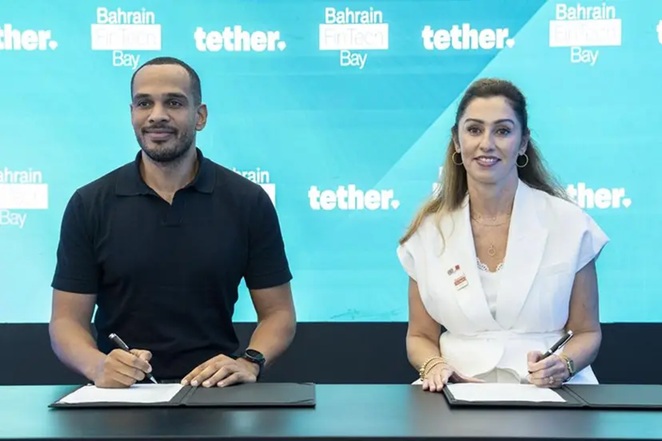
Tether, a digital assets company and the issuer of USDT stablecoin, is set to advance blockchain and stablecoin adoption in Bahrain with the cooperation of Bahrain FinTech Bay, the Kingdom’s leading fintech hub. The Memorandum of Understanding (MoU) signed by both parties aims to advance blockchain adoption, enhance digital asset education, and position Bahrain as a regional leader in blockchain innovation, supported by the Kingdom’s forward-thinking stablecoin regulatory framework. The MoU also aims to attract international investment and talent to Bahrain, positioning the Kingdom as a hub for blockchain innovation and ethical, sustainable development.
This comes months after the Central Bank of Bahrain introduced its stablecoin regulatory framework that establishes clear legal classifications for different types of stablecoins, sets out licensing requirements, reserve management rules, segregation of client assets, and real-time attestation obligations.
Bahrain’s stablecoin framework supports multiple fiat currencies and allows regulated yield models under strict supervision.
Both Tether and Bahrain Fintech Bay want to expand awareness and knowledge across key areas, including stablecoins, tokenization, digital assets, artificial intelligence, and decentralized technologies, while also driving the development of innovative use cases aligned with Bahrain’s robust regulatory framework.
Central Bank of Bahrain stablecoin regulated allows USD, local stablecoins and sharia compliant ones
The Central Bank of Bahrain issued the full stablecoin regulation on July 2nd 2025, offering license to stablecoin issuers, custodians, for fiat backed stablecoins that could be either in Bahraini Dinar or United States Dollars or any other fiat currency acceptable to the CBB.
Additionally, the Central Bank of Bahrain is allowing stablecoin issuers to issue yield bearing stablecoins which pay passive returns to its clients only from either interest or rewards ( for Sharia compliant stablecoins) which is earned from the investment of the reserve assets.
Also regulated are sharia compliant stablecoins. However all stablecoin issuers will need to meet requirements set by the Central Bank.
As per the stablecoin module stablecoin issuers seeking to issue and offer stablecoins, control the total supply of stablecoins or mint and burn stablecoins as well as manage and safeguard reserve assets and custody of stablecoins will need to meet the requirements set out in the module.